

The Top 5 Most Iconic Landmarks To Visit In Arizona
Arizona is a state defined by vast desert landscapes, towering canyons, and rich Indigenous history. Across the state, natural and man-made landmarks surprise and delight visitors from all over the world. A trip to Arizona is like stepping into a time machine — it provides a unique glimpse into the evolution of nature and human civilization in pre-historic times.
In this guide, we'll explore five of Arizona's most incredible claims to fame. For example, at Grand Canyon National Park, geological processes spanning millions — if not billions – of years are on full display. The Hoover Dam, by contrast, is a 20th-century engineering marvel built to improve water challenges in an arid region.
Together, these landmarks provide a broad view of Arizona's defining features: its geology, its ecosystems, and its history of human resilience and ingenuity. Whether you're planning a short visit or an extended stay, these destinations can be experienced individually or combined into a wider itinerary. Each offers a distinct entry point into the state's majestic landscapes and diverse identity.
Grand Canyon National Park
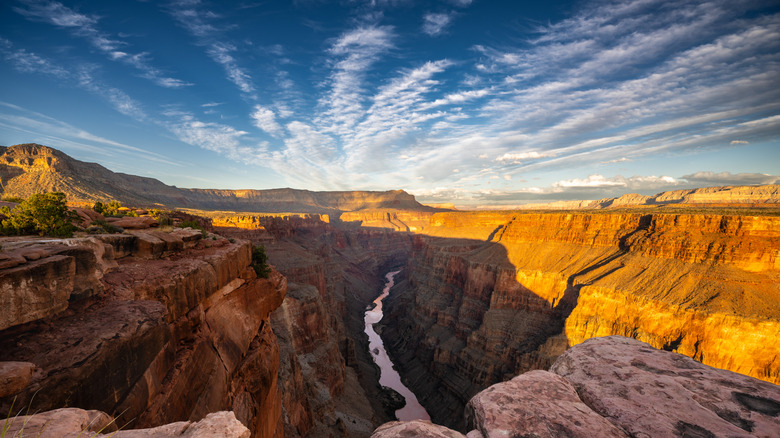
Arizona's picturesque Grand Canyon National Park is one of the most famous attractions in not only the U.S., but also the world. Its origins can be traced way back — we're talking nearly 2 billion years of geologic history. It is approximately 18 miles across at its widest point, and its length runs roughly 278 miles along the Colorado River, which played an essential role in the canyon's formation. In addition to hiking down to base of the canyon and along the rim, there are several attractions within the park, including museums, viewpoints, and other sites of interest.
You can camp in the park for several days to get a better sense of its natural splendor, or you can see most of the key sites within a single day trip, especially at the popular South Rim. If you're feeling adventurous, various companies offer rafting, kayaking, and horseback riding expeditions, as well as Jeep tours. For a different perspective, scenic helicopter rides offer sweeping aerial views that highlight the canyon's immense scale.
There are several entrances to Grand Canyon National Park. The South Rim is the busiest side of the park, and is located 60 miles north of Williams and 80 miles northwest of Flagstaff. Unlike other areas of the park, the South Rim is open all year and features a shuttle service that takes visitors to the most impressive sites in the area. This includes a handful of incredible lookout spots, the main Visitor Center, and the Yavapai Museum of Geology.
Sinagua Housing at Montezuma Castle National Monument
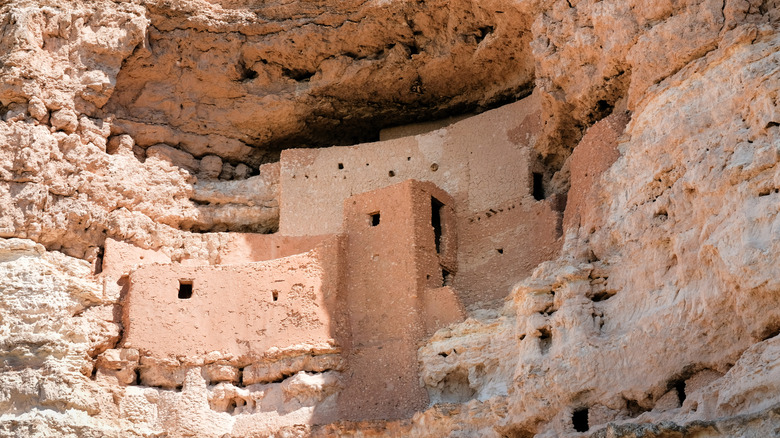
The Indigenous people who inhabited Arizona's central Verde Valley hundreds of years ago built their dwellings in natural caves. Several of these impressive original structures are still standing today in Arizona, and are part of what makes it such a unique destination. Here, you can transport yourself back in time and discover the engineering feats of the Sinagua people.
Archeologists have identified two distinct groups: the Northern Sinagua and the Southern Sinagua people. Montezuma Castle National Monument, located around 28 miles south of Sedona, protects the Southern Sinagua dwellings. Preserved dwellings can also be found at Tuzigoot National Monument, 20 miles south of Sedona. North of Flagstaff, you'll find the Northern Sinagua dwellings at Wupatki and Walnut Canyon National Monuments. The most iconic of these is certainly the Montezuma Castle, a large structure carved high up into the side of a cliff. It consists of 20 separate rooms across six stories that would have housed different families, similar to an apartment building. A 0.3-mile scenic trail travels along the base of the cliffs and there is also a lush picnic area nearby.
Also part of Montezuma Castle National Monument is the Montezuma Well, a large limestone sinkhole located about 20 minutes east of the main property and the cliff dwellings. It's a beautiful and ancient oasis in the harsh desert climate. Cave dwellings surround the well and archeologists believe that people inhabited this land since as early as 11,000 CE.
Desert Botanical Garden
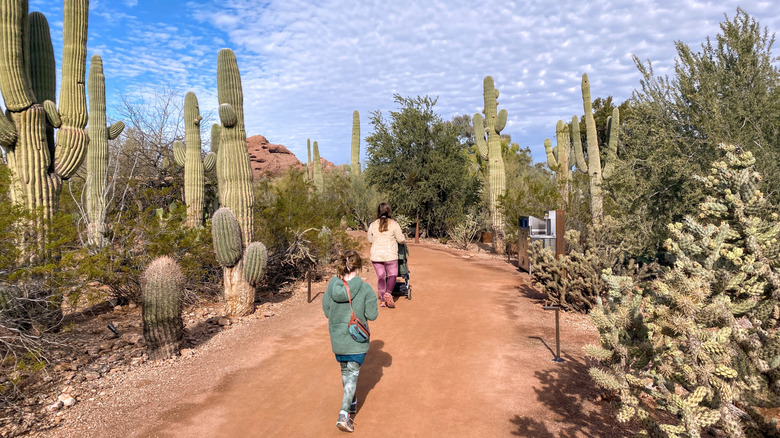
In Phoenix, see the Sonoran Desert's rich floral biodiversity up close at this unique botanical garden that focuses on desert plants. It's by far one of the most beautiful botanical gardens in the U.S. There are several trails of varying lengths spread across the 140-acre Desert Botanical Garden, showcasing more than 4,800 living species of plants. There are tons of activities and amenities at the garden, and it's easily worth a full day's visit. Tours led by knowledgeable docents are offered regularly and cover different topics. For example, one tour focuses on the birds of the Sonoran Desert, and another tour delves into the resilience of the plants and how they survive in this harsh climate.
The Desert Botanical Garden is an active hub of research and conservation, with a focus on desert plants and pollinators including bees, hummingbirds, and butterflies. The garden's unique Butterfly Pavilion, a 3,200-square-foot open-air structure, allows guests to see thousands of live butterflies that are native to the Southwest. The on-site nursery provides a glimpse of the caterpillars as they emerge from their chrysalises.
In addition to floral displays, the garden features a museum, two restaurants, a terrace, and a gift shop. There are also many events throughout the year, including workshops for kids and after-dark exhibits that allow visitors to explore the grounds in cooler weather. The garden opens at 6 a.m. during the warmer months, so those hoping to avoid the mid-day heat can visit bright and early.
Meteor Crater Natural Landmark
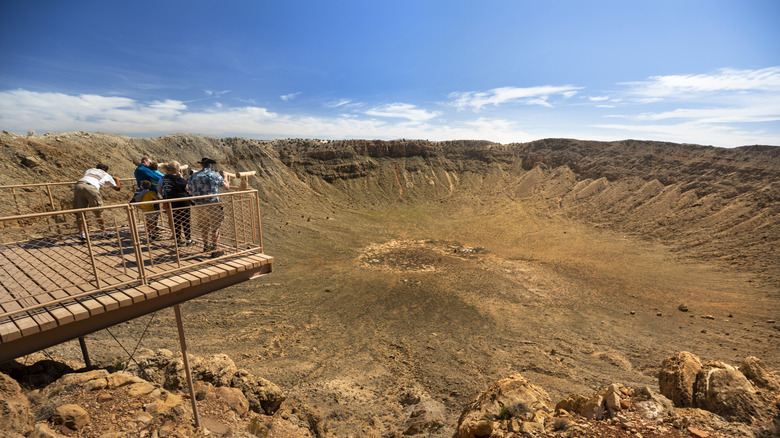
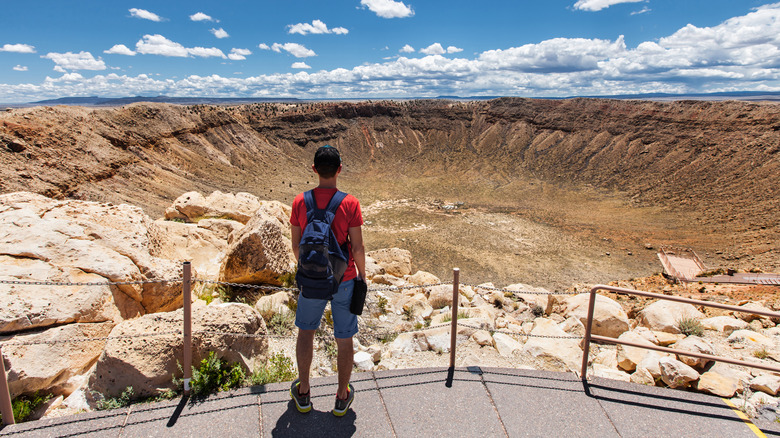
Around 43 miles outside of Flagstaff is one of the most visited attractions in Northern Arizona: Meteor Crater Natural Landmark. Thousands of years ago, a meteorite struck Earth in this very spot and left a magnificent crater for us to remember it by. The Discovery Center Observation Deck sits on the edge of the crater, offering excellent lookout points over the nearly 1-mile-wide impact site. It is recognized as one of the best preserved meteor craters in the world. It also has close ties with NASA — the astronauts of the Apollo 11 moon landing mission trained at the site, and one of the original training capsules is displayed in front of the Discovery Center.
Visitors can take self-guided trips into the crater or join a 30-minute guided tour along the rim. As you walk, you'll learn all about what went down 50,000 years ago when a meteorite that weighed several hundred thousand tons struck Earth with a force 150 times greater than an atomic bomb. Explore the layers of rocks and soil revealed by the crater, and learn about the conditions that have preserved it in such pristine condition. In the gift and mineral shop, you will find tons of educational books, games, and toys for kids, as well as a wide variety of unique gems and minerals to take home as a souvenir of this landmark.
Hoover Dam
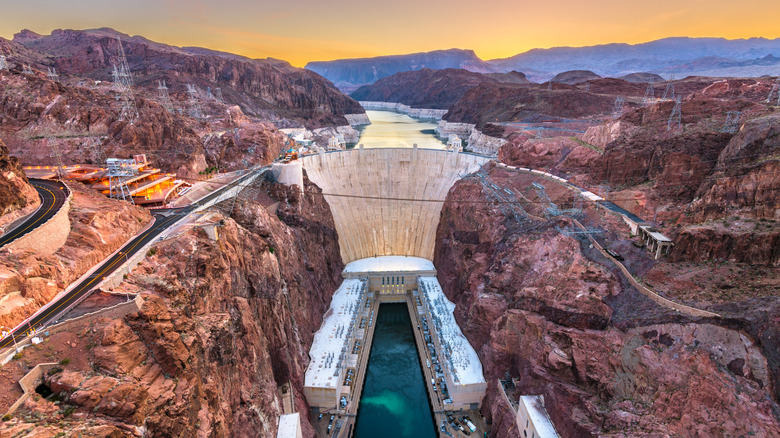
The Hoover Dam straddles the Arizona-Nevada border, and is one of the most significant engineering projects in the U.S. Rising 726 feet above the Colorado River, the dam was completed in 1935, during the Great Depression. The site's sheer scale is impressive. According to the National Park Service, "the amount of concrete used in building it was enough to pave a road stretching from San Francisco to New York City."
Free parking is located on the Arizona side, from which you can access the pedestrian area at the top of the dam. Visitors can view Lake Mead on one side – one of the cleanest lakes in the country – and the controlled flow of the Colorado River on the other. The dam's curved concrete face is designed to distribute the immense pressure of the water it holds back. The dam was constructed to control flooding. It also provides water for irrigation and generates hydroelectric power for the surrounding region, including parts of Arizona, Nevada, and California.
The Mike O'Callaghan–Pat Tillman Memorial Bridge offers another vantage point of the dam from 890 feet above the Colorado River. The pedestrian bridge offers a more panoramic view of the dam's structure and the surrounding landscape. Visitors must go to the Pedestrian Plaza to access the bridge, and vehicles must pass inspection before entering the parking area. A flight of stairs takes visitors from the plaza area to the bridge. It's worth noting that vehicles driving across the bridge will not be able to see the dam.
Methodology
To create this list of the most iconic landmarks in Arizona, we consulted local travel guides and visitor review platforms such as Tripadvisor and Reddit, in which travelers rank and review their favorite destinations in the state. We took inspiration from similar guides by reputable publications such as Afar Magazine. We also drew from published articles by regional tourism boards such as Travel Arizona.
These resources tend to heavily favor natural landmarks, so the Sinagua dwellings and the Hoover Dam were included in this list to showcase Arizona's diversity. The Desert Botanical Garden also highlights the state's uniqueness, being one of the few botanical gardens dedicated to desert ecosystems.